A custom welded assembly is more than several metal parts joined together. It is the defined relationship between components, joints, datums and post-weld features that must work in your next operation. A practical sourcing review separates what is fixed by the drawing from what still needs clarification: material, joint detail, assembly sequence, critical interface, finish, inspection evidence and delivery condition.
A useful welded-assembly RFQ includes the current assembly drawing, individual part drawings, BOM, joint information, material, quantity and required receiving state. Mark any post-weld machining, visible surface, critical datum, finish or customer-supplied item. If a requirement is not final, identify it as open so it can be reviewed rather than assumed.
| RFQ input | What to provide | Decision it supports |
| Assembly and part drawings | Current revision, components, joint locations, key datums and mating interfaces. | Build boundary and fit-up review. |
| BOM and supplied items | Part numbers, quantity per unit, hardware or customer-supplied components. | Set contents and responsibility. |
| Material and finished state | Drawing-specified material, finish, visible areas and required post-weld condition. | Appropriate production and protection discussion. |
| Programme context | Quantity, revision status, acceptance evidence, destination and packing requirement. | Comparable quote and repeat-supply reference. |


These are drawing-review checkpoints, not generic capability claims. Final process, material, weld acceptance, inspection and delivery condition must be confirmed from the actual requirement.
| Characteristic | Project reference | Confirmation needed |
| Joint and fit-up | A weldment may depend on part orientation, locating faces and a specified assembly order. | Joint detail, datum relationship and functional interface. |
| Post-weld interface | A welded part can have a mating surface, hole, opening or functional feature needed after joining. | Whether a feature requires further processing and the acceptance basis. |
| Material and finish | Material and coating influence the intended environment, visible condition and protection requirement. | Drawing specification, finish timing and protected surfaces. |
| Delivery condition | A unit may ship as a weldment, an assembly-ready item or a controlled kit. | Included components, hardware state, packing and identification. |
Where the design uses repeat stamped components before welding, see Metal Stamping. Where a localized machined interface is required after the welded relationship is defined, see CNC Machining Service. Add live links after their URLs are verified.
Start with every item that becomes part of the welded unit, including any supplied hardware or separate items that are not included.
Specify the approved revision and the features, joint condition or finished state that receiving needs to assess.
State the required post-weld condition, protection and packing so the quote reflects a usable delivery, not only a welding step.
Steel, stainless steel, aluminium or another drawing-specified material must be reviewed around the intended environment, connected parts and finished condition. Define which surfaces are visible, which interfaces must remain accessible and whether finish occurs before or after the requested assembly state. The material name alone does not define a usable weldment.
If bolts, washers, hinges or supplied components belong to the final unit, state whether they are welded, installed after welding, packed separately or excluded. Route connecting-hardware decisions to Custom Fasteners and washer-specific requirements to Custom Washers after those pages are live and verified.


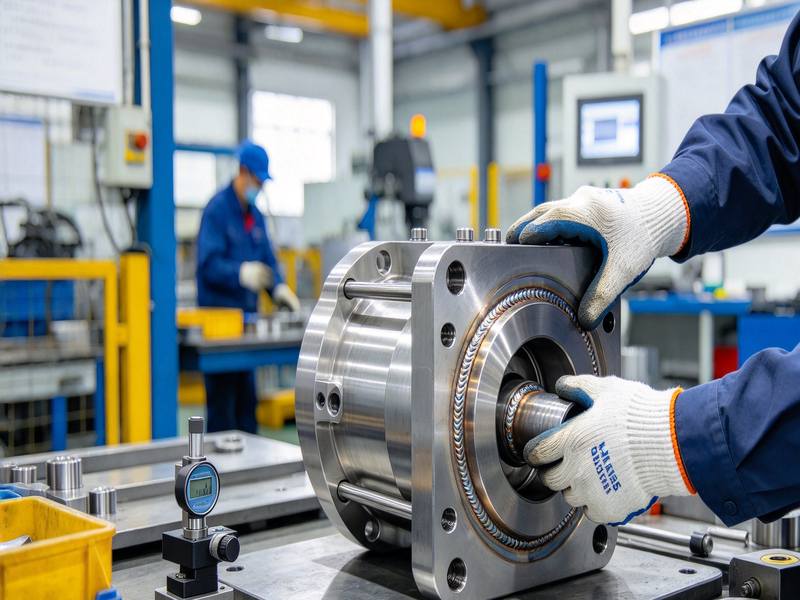
Release should focus on the defined requirement: component completeness, relevant joint locations, functional interfaces, material/finish, included hardware and packed state. Provide the approved drawing revision and any customer-defined acceptance evidence.
Provide the assembly drawing, part drawings, BOM, material, quantity and current revision. Identify joint locations, critical interfaces, required post-weld state, finish, acceptance evidence and packing. If some details are still open, list them so the quotation is based on visible assumptions rather than silent gaps.
Define the locating faces, adjacent components, key openings and functional mating points in the drawing package. If welding could influence a critical interface, identify it before release. The review should establish what the finished weldment must fit, not only what individual parts look like.
Yes. Send the working BOM, drawing, sample photos or an assembly sketch. We can separate confirmed components from open items such as supplied hardware, finish timing, post-weld interfaces and packed state. This gives your team a practical list of decisions needed before a final supply scope is set.
Welding may fit when the drawing requires a permanent joined relationship and the resulting unit can be handled as one component. Bolting may fit when service access, field assembly or future replacement matters. The correct choice depends on the functional use, material, interfaces and receiving condition.
A revised drawing or BOM should clearly identify changes to components, joint locations, material, critical interfaces, finish, included hardware or packed state. Review the change before release so the first order and repeat supply use the same controlled requirement.
Hardware-SP can assess B2B drawing-led projects where the part information defines the components and intended welded relationship. We review feasibility, quote, manufacture, control quality and ship against the confirmed requirement. Final process and acceptance details depend on the actual drawing and sourcing scope.