REQUEST A DRAWING REVIEW

Proof Point
1.Complex Geometry Review
2.Fewer Setups Where Suitable
3.Drawing-Based Manufacturing
4.Prototype to Production
Customer Benefit
1.Assess multi-face features before production planning.
2.Reduce re-fixturing for appropriate part designs.
3.Build to approved CAD, drawings, and requirements.
4.Support samples, pilot runs, and repeat orders.

QUOTING FEATURE


Complex Part Review Before Production

 
A 5-axis project should begin with geometry review, not a generic price. Send your 3D model, 2D drawing, material, quantity, tolerance, finish, and functional requirements. Our team checks tool access, potential setup strategy, critical faces, threads, mating features, inspection points, and questions that could affect cost or manufacturability before confirming a quotation.

5-Axis CNC Machinig Service Parts

5-Axis CNC Machining Applications

Use 5-axis CNC machining when the part geometry, access requirements, or quality risks make a simpler machining route less suitable. The right process is selected after review of your drawing.
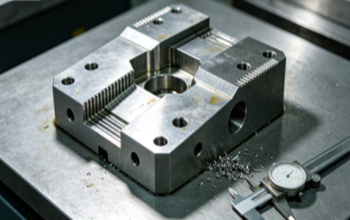
Complex Multi-Face Parts
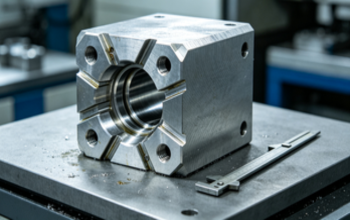
Angled Holes and Features​​​​​​​
Angled Holes and Features​​​​​​​​​​​​​​
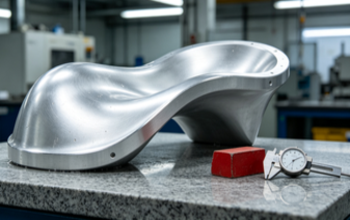
Contoured Precision parts
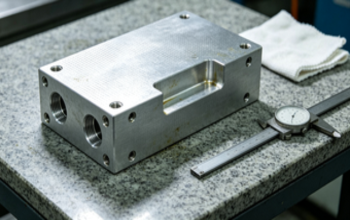
Prototype and Repeat Production
Prototype and 
Repeat Production

WHY CHOOSE US

5-axis CNC machining creates value when it improves access to the features that matter on your part. Hardware-SP supports drawing-based projects by reviewing geometry before production, clarifying open technical points, and planning around the requirements you provide. The goal is not to use a more complex process unnecessarily; it is to choose a practical route that supports part function, quality, and repeatability.
;
Built Around Your Part ​​​​​​​
1 -
  • Early DFM Review
    Identify geometry and tool-access questions before machining.
  • Fewer Re-fixturing Risks
    Evaluate whether fewer setups can protect critical relationships.
  • Material and Finish Planning
    Review material grade, surface requirements, and functional needs.
  • Inspection Focused on Critical Features
    Align measurement with your drawing and assembly requirements.
  • Direct Technical Communication
    Resolve questions before they turn into production delays.
  • Flexible Project Stages
    Support prototype, pilot, and repeat manufacturing requirements.

CNC Machining Tolerence Reference

Feature Typical Project Reference Review Requirement
Linear dimensions +/-0.01 to +/-0.05 mm Confirmed per diameter, depth, and position
Hole diameters +/-0.01 to +/-0.03 mm Reviewed against datum scheme and part geometry
Angled and multi-face features Project-specific Reviewed against datum scheme and part geometry
Surface roughness Ra 0.8 to 3.2 um Confirmed by material and finishing route
Part size Project-specific Submit CAD model for travel and workholding review
 
The ranges below are typical references for drawing-based precision machining. Final capability depends on material, part size, geometry, feature access, finishing, workholding, inspection method, and production quantity. Submit your drawing for confirmation before production.
 

Materials for CNC Parts

Material Type

Material Typical 5-Axis Components
Aluminum Lightweight housings, brackets, fixtures, impellers, and structural parts
Stainless Steel Corrosion-resistant fittings, brackets, mechanical interfaces, and hardware
Carbon Steel Tooling, wear parts, fixtures, and industrial mechanical components
Brass and Copper Insulators, lightweight fixtures, wear components, and functional prototypes

5 Axis CNC Machining Application

  • Custom Mechanical Assemblies

    When a component must interface with shafts, brackets, covers, fasteners, or other custom hardware, its critical dimensions are often defined by the surrounding assembly. Include mating details and inspection priorities with your drawing. The manufacturing review can then consider datum relationships, access to key features, material selection, finishing sequence, and the dimensions that must remain controlled for reliable assembly.

  • Product Development and Prototypes

    A complex prototype may need to prove both form and function before you commit to a larger run. Provide your CAD model, revision level, material requirements, finish, and test objectives. We review the part for manufacturability and identify questions early, helping you move from an engineering sample toward an approved production specification without changing the core project requirements.

  • Industrial Equipment Parts

    Complex machine components may require angled ports, contoured interfaces, internal pockets, and precision mounting faces in one design. For these 5-axis CNC machining projects, we review the geometry together with operating conditions, material, finish, and expected production quantity. This helps establish a manufacturing route that supports functional performance and practical inspection before the part moves into production.

  • Robotics and Automation Components

    Robotic joints, end-effectors, sensor mounts, custom housings, and precision fixtures often combine multiple faces, angled features, and tight assembly relationships. 5-axis CNC machining can be evaluated when access to these features is difficult with repeated repositioning. Send the assembly context, mating dimensions, material, and critical tolerances so the manufacturing review can focus on the features that affect fit and motion.

5 Axis CNC Machining FAQ

    Q Can you machine metal and engineering plastic parts?

    A

    5-axis CNC machining can be considered for a range of metals and engineering plastics, subject to the specific part design and project requirements. Tell us the material grade, operating environment, finish, and performance needs. We will review how the selected material affects machining, tool access, surface quality, workholding, and any critical dimensions on your drawing.

  • How are critical dimensions inspected?

    Identify critical dimensions, datum relationships, threads, surface requirements, and any report format in your drawing or RFQ. We review the request against the part geometry and proposed manufacturing route, then confirm an appropriate inspection approach before production. This keeps the inspection plan focused on the dimensions that affect your assembly, fit, function, or quality acceptance criteria.

  • Can you make prototypes before repeat production?

    Yes. Your project can begin with an engineering sample, prototype, or pilot batch before a repeat order is released. Share the immediate quantity and expected future demand if available. This allows the review to consider setup, machining route, inspection, surface finishing, packing, and the requirements that should be documented before moving into repeat production.

  • What information should I include in a 5-axis CNC RFQ?

    Provide the 3D CAD model, 2D drawing, material grade, quantity, tolerance requirements, surface finish, threads, inspection needs, and target application. If the part interfaces with another component, include relevant mating or datum information. These details help the manufacturing review identify critical features and avoid delays caused by incomplete technical information after quotation.

  • Can you review my 3D CAD file before quoting?

    Yes. Send your STEP, IGES, or other available CAD file together with the 2D drawing if you have one. Include the material, quantity, tolerances, surface finish, and any critical functional features. The review focuses on manufacturability, tool access, workholding considerations, key dimensions, and the information needed to prepare a practical 5-axis CNC machining quotation.

Leave a Message
Leave Us Your Info