A custom sheet metal assembly is required when the value is in the relationship between components: a panel and cover, a bracket and mating face, a door and hinge, or a metal part and its mounting hardware. The purchasing risk is not one bend or one hole. It is whether the delivered condition supports your receiving and next assembly operation. Hardware-SP uses the drawing and assembly context to make that requirement clear before the manufacturing discussion begins.
A reliable OEM sheet metal assembly quotation starts with the current controlled drawing and the required receiving condition. Include the assembly drawing, part drawings, BOM or working list, hardware responsibility, finish/protection, quantity, revision, inspection requirement and packing. If your package is incomplete, mark what is still open rather than allowing it to become an assumption.
| RFQ input | What to provide | Decision it supports |
| Assembly function | Mating parts, end use, movement or closure condition, mounting relationship and visible surfaces. | Which interfaces are functional in the completed unit. |
| Part definition | Current part drawings/CAD, formed condition, material and finished condition. | A controlled review and comparable quote. |
| BOM and hardware | Included part numbers, quantity per set and supplied-or-sourced hardware boundary. | Set contents, assembly state and responsibility. |
| Programme context | Quantity, repeat expectation, revision status, receiving evidence and packing. | Release logic and repeat-supply reference. |
For recurring brackets or stamped formed components that enter your unit, see Metal Stamping. Add the live internal link after the page URL is verified.


These are drawing-review checkpoints, not generic capability claims. The selected route, material, finish, inspection and final delivered condition must be confirmed from the actual project.
| Characteristic | Project reference | Confirmation needed |
| Formed interface | A unit may depend on bend direction, adjacent part position, opening or functional clearance. | Current drawing revision and fit condition. |
| Hardware boundary | An assembly may include a hinge, fastener, washer or customer-supplied item. | Part number, source boundary and installed or loose state. |
| Finish and protection | Visible or mating surfaces can require masking, bare areas or transit protection. | Finished condition, protection and packing requirement. |
| Assembly set | Multiple components may arrive together as one defined unit or kit. | Contents, count, identification and receiving condition. |
Where the unit also needs a localized machined interface, use CNC Machining Service as the related route. Add the live internal link after the page URL is verified.
Start with the components that connect: formed parts, cover, bracket, hinge, hardware and mating item. This gives the quote a practical mechanical boundary before price is compared.
Identify the features, component contents, material/finish and packed condition that your receiving team needs to check against the approved revision.
State whether the unit is supplied assembled, as a controlled kit or as protected loose parts. The right format follows your next operation, not a generic packing assumption.
For sheet metal components, define the drawing-specified material, environment, contact surfaces, visible requirement and finished condition together. A coated, plated, uncoated or otherwise specified part can still fail the receiving need if the mating faces, bare areas, hardware timing or protective packing were not defined. The material name alone is not a release requirement.
A sheet metal subassembly may only work when hardware, washers, hinges or magnetic counterparts are matched to the relevant component. State whether items are installed, counted, separated, protected or supplied as one kit. That distinction changes the RFQ and the condition your team receives.
For connecting hardware, route buyers to Custom Fasteners. For countersunk, cup or magnetic-mounting washer requirements, route them to Custom Washers. Add each live internal link after its page URL is verified.


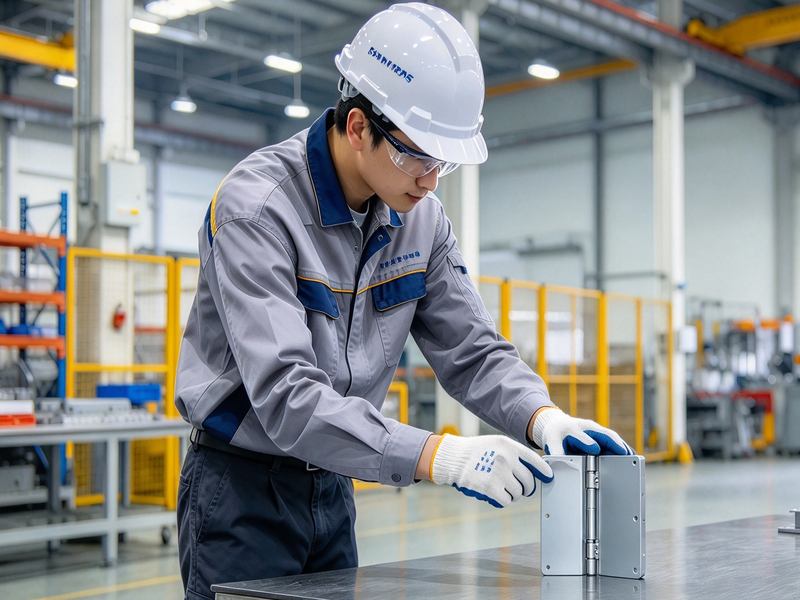
n effective release plan checks the characteristics that govern the supplied unit: the relevant formed interfaces, holes and attachment locations, component set, material/finish, specified hardware condition and packed state. Provide the current approved revision and receiving evidence.
Send the assembly drawing, available part drawings, BOM or working parts list, quantity and delivery location. Also identify whether you need an assembled unit, controlled kit or loose parts. Include hardware responsibility, finish/protection and packing needs when they affect the final build.
Yes. Send the working BOM, assembly sketch, sample photos or available drawings. The useful next step is to separate confirmed requirements from open decisions such as hardware source, finish timing, set contents and protective packing. An open-items list is better than treating incomplete information as final.
List the hardware part number, quantity and supplied-or-sourced status. State whether it must be installed, packed separately or excluded. Where you supply an item, include a sample or mating reference. The quote should describe the delivered condition rather than assume it from a hole pattern.
State visible faces, mating surfaces, bare-thread or masking requirements and the intended delivery condition. These details affect the assembly sequence and protection method. If finish timing is still open, flag it for review so the commercial scope does not depend on an unstated assumption.
Choose a subassembly when your receiving team benefits from an identified mechanical unit, a defined hardware condition or a controlled fit relationship. Choose loose parts when your own process performs the next assembly operation. The drawing and BOM should make that boundary explicit before quotation.
Hardware-SP can assess B2B drawing-led mechanical sheet metal assembly projects where the supplied information defines the components and their intended relationship. We review feasibility, quote, manufacture, control quality and ship against the confirmed requirement. Final route and acceptance details depend on the actual project information.