

Views: 855 Author: ZHE Publish Time: 2026-03-14 Origin: Site


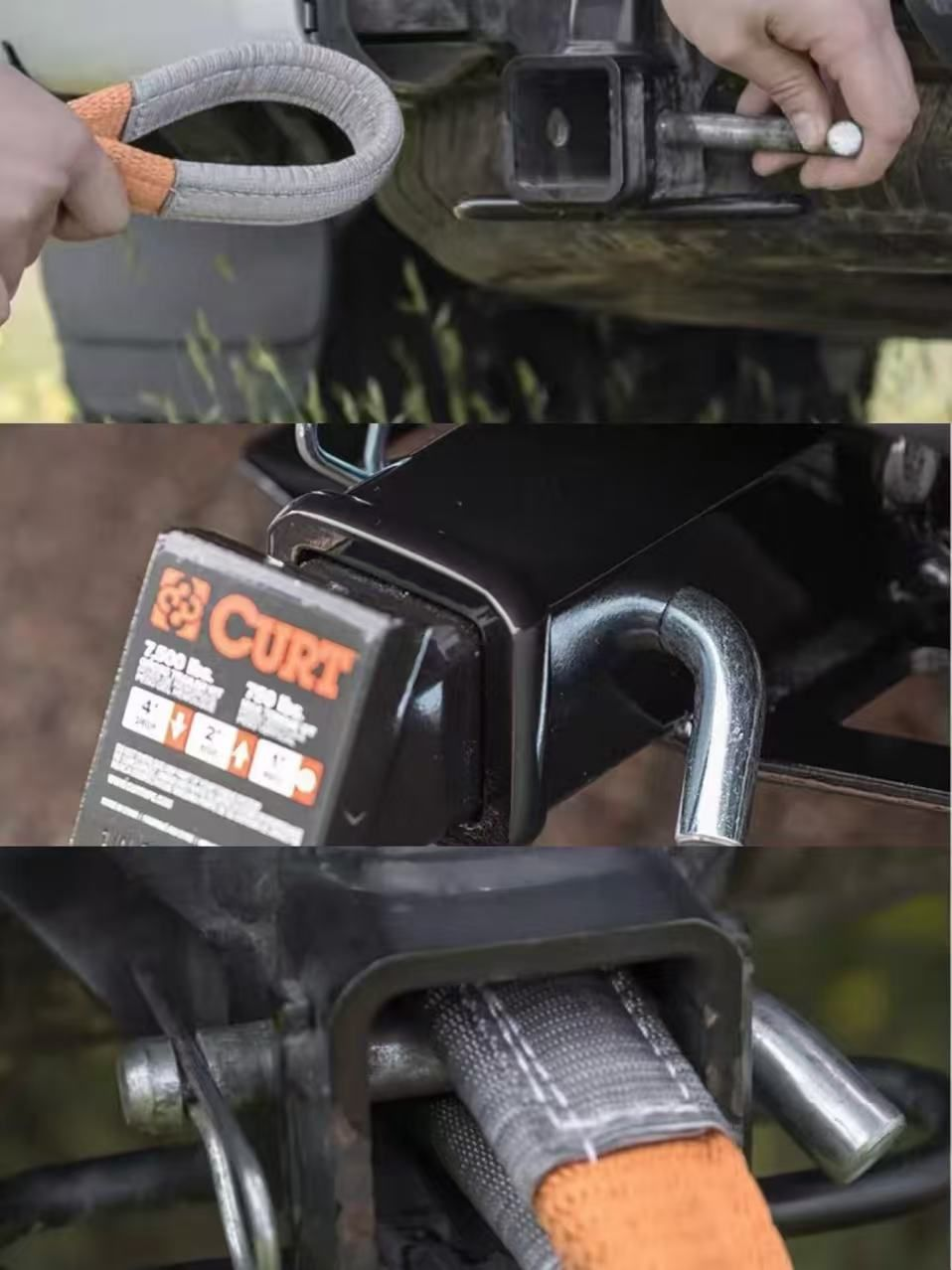
Hitch Pin might seem like a simple piece of hardware, However, using it correctly is very important for the safety of the trailer and the operation of the equipment.
Trailer Accessories is securely attached to the vehicle, or agricultural tools are connected to the tractor, understanding how to use a hitch pin properly can prevent accidents and equipment damage. Hangzhou Shengpeng will provide you with all the necessary information, ranging from the basic installation to choosing the appropriate pins for your specific application.
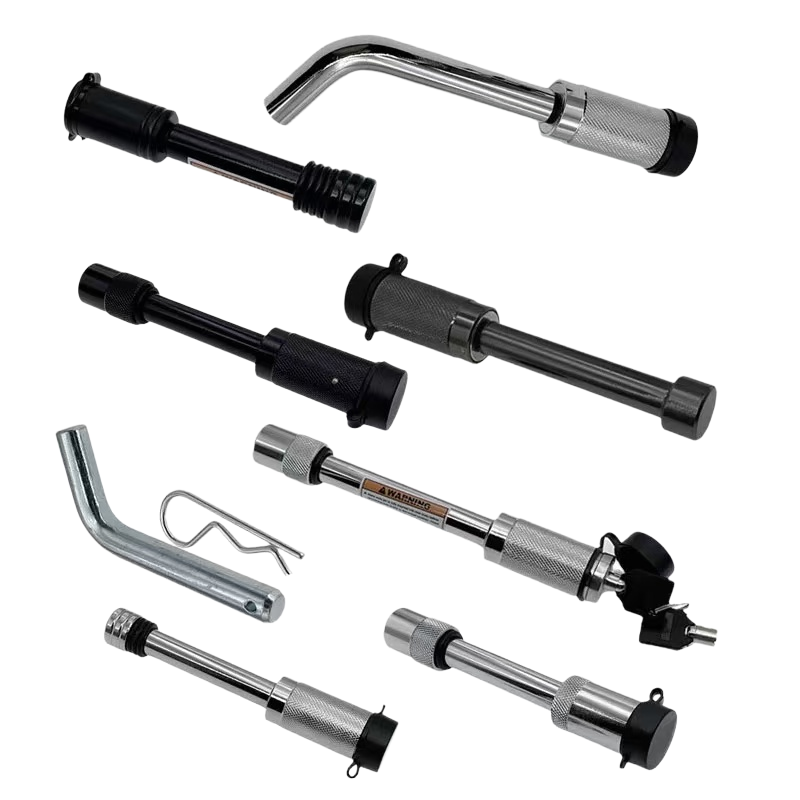
A hitch pin is a product used for temporarily connecting two components, such as the connection between a trailer and a towing vehicle, or between farm implements and a tractor. Unlike a bolt, the design purpose of a bolt is to withstand tensile loads, while a hook pin is designed to resist shear forces. Hitch pins come in several varieties, each with a different locking mechanism:
Standard hitch pins: Require a separate clip or cotter pin to lock them in place
Detent pins: Feature spring-loaded ball bearings that lock automatically
Linch pins: Have an integrated locking ring that snaps into place
Snapper pins: Use a deformable spring steel wire that slips over the pin end
The basic principle remains the same: The needle passes through the hole to ensure that it does not come out during operation.
Proper installation varies slightly depending on the type of hitch pin you are using. Here are detailed instructions for the most common types.
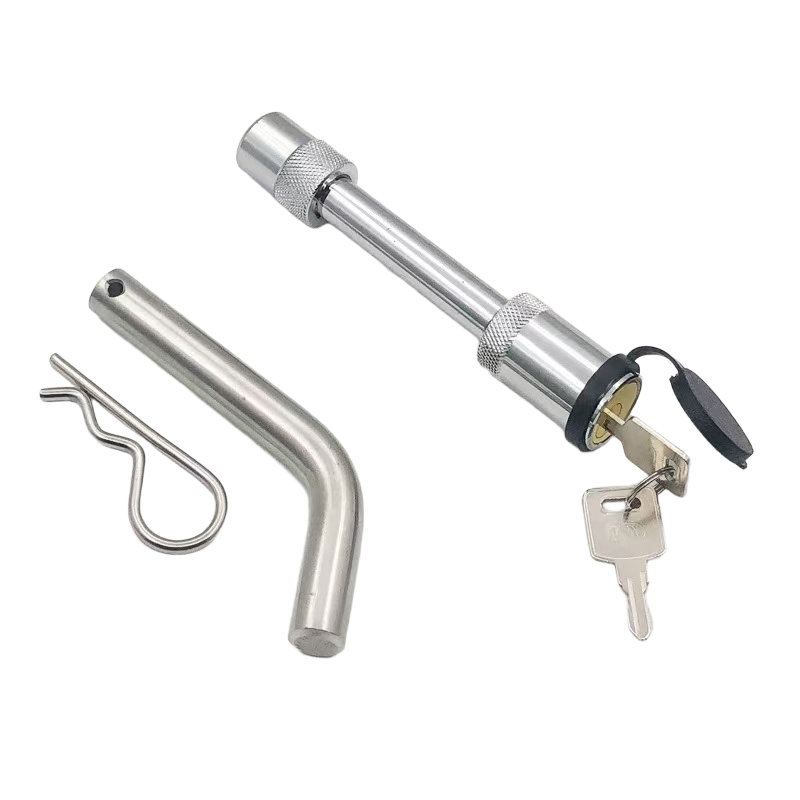
This is the most traditional configuration, consisting of a cylindrical pin with a hole. a hole at the opposite end to accept a cotter pin or hitch pin clip .
Installation steps:
Align the components: Position the tractor drawbar or trailer receiver so the holes line up with the implement or trailer tongue
Insert the pin: Slide the hitch pin through the aligned holes from the top or side, depending on accessibility
Secure with a clip: Insert a bridge pin (R-clip) or cotter pin through the hole at the end of the hitch pin
For bridge pins (R-clips): Grasp the large loop and insert the straight end into the hole. Push until the small indentation rests over the pin
For cotter pins: Insert the split end through the hole until the prongs protrude, then separate the prongs to secure
Removal tips: For bridge pins: Grasp the large loop and pull firmly. You will feel resistance as the top wire releases pressure
For conical pins: Bend the pin teeth together, hold the pin head with pliers, and then pull it out. For rusty pins, apply penetrating oil first.
Detent pins, also called cotterless hitch pins, are designed for applications requiring frequent assembly and disassembly .
How they work: A spring-loaded ball bearing protrudes from the pin shaft. When you insert the pin, the balls will be compressed, then they will rebound after passing through the hole, thereby fixing the pin in its original position.
Installation steps:
Make sure the ball bearings are clean and functioning smoothly.
Insert the needle into the aligned hole - the ball will automatically sink down
Keep pushing hard until the ball rolls completely to the other side and comes out.
Gently pull it, and make sure the ball is firmly stuck at the far end of the hole.
Removal: If there is a button, simply press it firmly and hold it down; if it is a ball-spring design, you need to apply a steady pulling force continuously.
Installation steps:
Insert the pin into the aligned hole.
Rotate the locking ring so that it meshes with the groove on the needle.
You should be able to hear or feel a clear "click" sound, indicating successful engagement.
Before operating, please ensure that the locking ring is securely installed.
Pin Type | Locking Mechanism | Best Application | Removal Method |
Standard Pin + Clip | Separate cotter pin or R-clip | Remove clip, then pull pin | |
Detent Pin | Spring-loaded ball bearing | Pull firmly; button style requires depressing | |
Linch Pin | Integrated locking ring | Disengage ring, then pull pin |
Diameter: Must match the hole size in your hitch or drawbar
Length: Must be sufficient to pass through all components plus allow room for the locking mechanism
Effective length: For detent pins, measure from under the head to the top of the ball
Application | Hitch Category | Pin Diameter | Typical Equipment |
Light-duty towing | Class I-II | 1/2 inch | |
Standard towing | Class III-V | 5/8 inch | |
Compact tractors | Category 1 | 7/8 inch (22 mm) | |
Mid-size tractors | Category 2 | 1 inch (25 mm) | |
Large tractors | Category 3 | 1-1/4 inches (32 mm) | |
Heavy industrial | Category 4 | 2 inches (51 mm) |
Measuring tip: If you are unsure about the type of your towing hook, simply measure the diameter of the hole on the receiver of the towing hook or the towing rod.
Standard carbon steel: Affordable and strong but vulnerable to corrosion
Hardened steel: Heat-treated for exceptional strength, though more brittle
Stainless steel: Excellent corrosion resistance and strength, but more expensive
Grade 5: Medium-carbon steel, ideal for light to medium loads
Grade 8: Quenched and tempered alloy steel, exceptional strength for heavy-duty applications
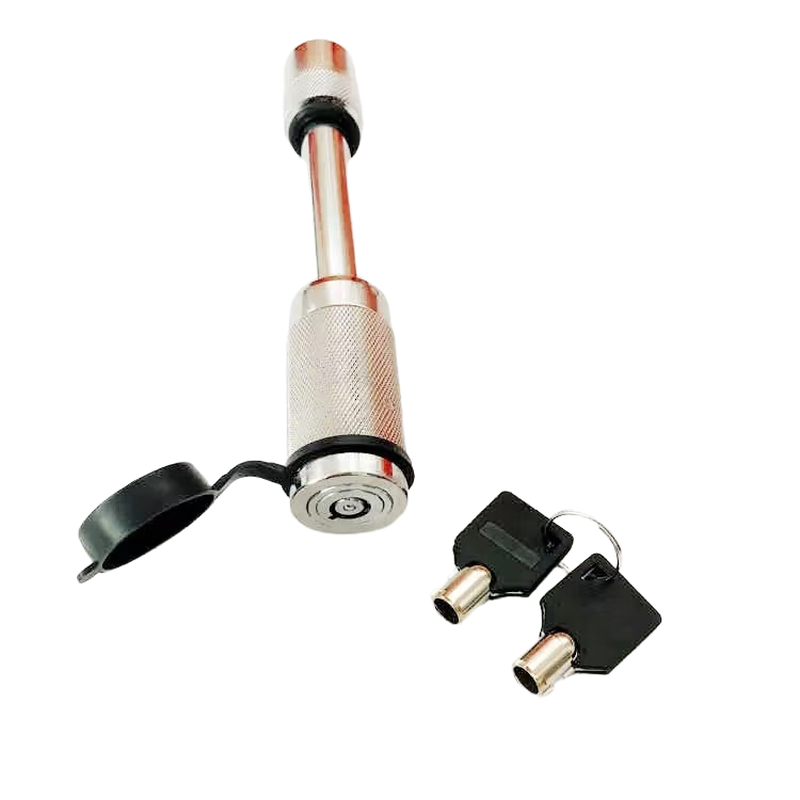
Zinc-plated: Good corrosion resistance for general use
Black finish: Basic protection, often with oil coating
Safety note: At present, the testing standards for this product mean that the lifting lug pins sold by equipment dealers are more favored than those cheaper alternatives, as the latter may have lower strength.
Bolts are designed for tension loads, while hitch pins must resist shear forces. Using a bolt creates a serious safety hazard .
Discard any hitch pin that is bent, worn, or shows signs of deformation. Throw them in the scrap heap, not in your toolbox .
A hitch pin without a clip, cotter pin, or integral lock can vibrate out during operation, leading to catastrophic detachment .
Always attach safety chains between the towing vehicle and equipment when transporting on roads. This won't prevent pin failure but will minimize damage if failure occurs .
Place the tractor in PARK and shut off the engine before installing the pin
Ensure bystanders are clear of the area
Check that the pin is fully seated and locked before operation
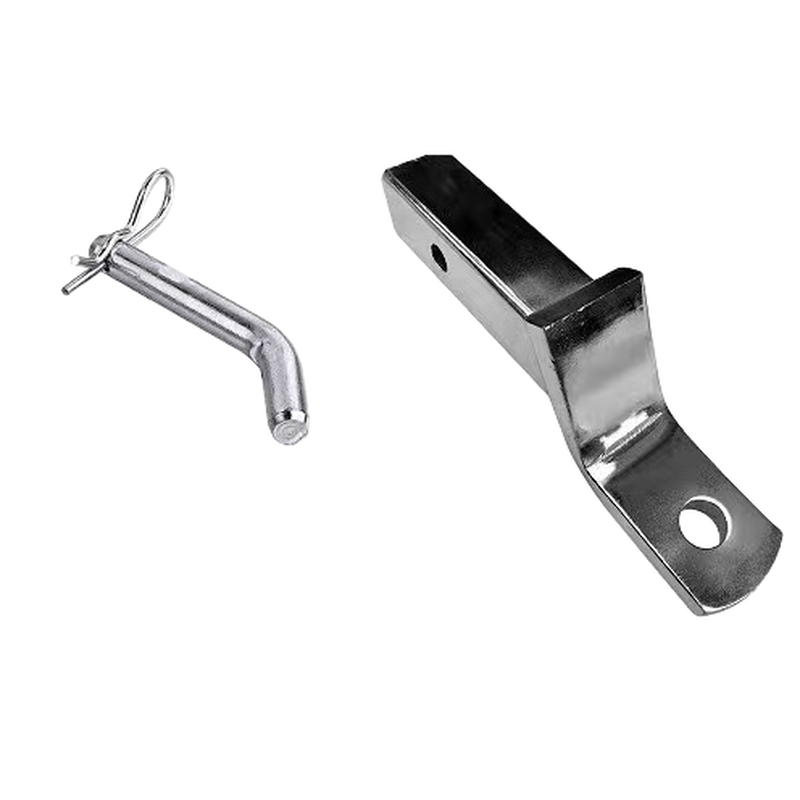
Mastering how to use a hitch pin is essential for anyone who tows trailers or operates agricultural equipment. By selecting the correct size and type, using proper installation techniques, and following safety guidelines, you can ensure secure connections and prevent accidents.
Remember these key points:
Always use the largest diameter pin that fits
Never substitute bolts for hitch pins
Secure every pin with an appropriate locking mechanism
Inspect pins regularly and discard damaged ones
Match your pin to your hitch category and application
With the knowledge from this guide, you can confidently select and use hitch pins for any application, from light-duty towing to heavy agricultural work.
Xiaoshan, Hangzhou, Zhejiang, China
carlxu@hardware-sp.com
Mon - Sat: 8AM - 6 PM